)
)
)
The Science of Seamless Construction
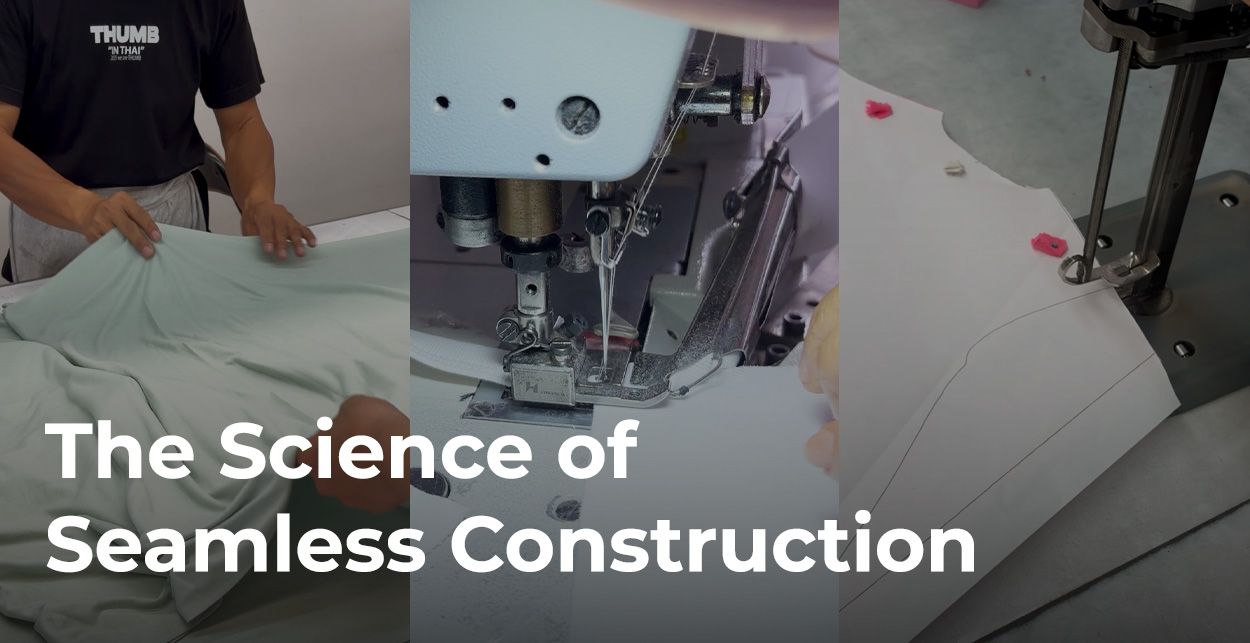
The Role of Integrated Quality Control (QC) The most significant risk in mass production is variability. Without a rigorous, multi-stage QC system, a batch of 1,000 shirts can easily result in 1,000 slightly different products. True quality assurance is a continuous thread woven throughout the production cycle:
-
Material Inspection: Verifying GSM (grams per square meter), color fastness, and shrinkage rates before a single blade touches the cloth.
-
In-Line Monitoring: Real-time checks during the sewing process to correct needle heat issues or tension imbalances immediately.
-
Final Audit: A comprehensive review of measurements, symmetry, and "cleanliness" to ensure there are no loose threads, oil spots, or uneven hems.
By implementing these layers, a manufacturer transforms into a guardian of a brand's reputation.
The Efficiency of End-to-End Solutions Managing multiple vendors for sourcing, pattern making, and printing creates a fragmented supply chain and a "responsibility gap" when errors occur. An integrated manufacturing model (One-Stop Service) streamlines this by centralizing accountability. When knitting, dyeing, cutting, sewing, and embellishment happen under one roof with a unified QC standard, the margin for error drops significantly. This synergy allows for better lead times and a cohesive finished product.
Conclusion In an era where consumers are increasingly conscious of durability and "slow fashion" values, your manufacturing partner becomes a core component of your brand identity. Quality is the result of high intention, sincere effort, and intelligent execution. When a garment feels "right" the moment it is put on, it is a testament to the invisible hours of QC and the disciplined craftsmanship happening behind the factory doors.
)