)
)
)
Extraction Innovation: Unlocking the Full Potential of Plants
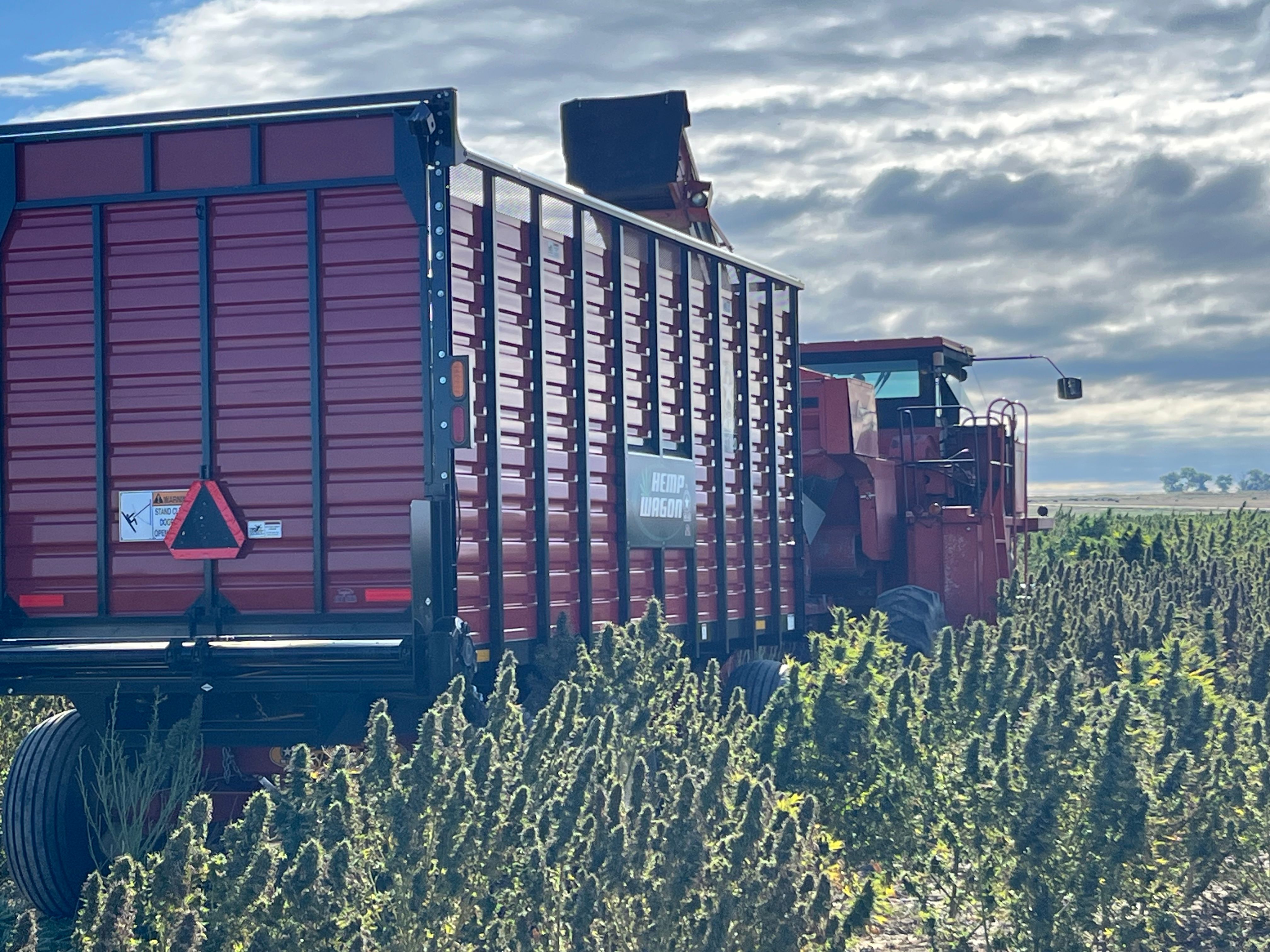
Why Extraction Matters
For hemp-derived products — whether tinctures, capsules, beverages, or topicals — the integrity of the extract shapes everything that follows. Cannabinoids, terpenes, and flavonoids are delicate compounds that provide both functional effects and consumer appeal. The challenge for innovators has always been to capture these compounds in their purest form, while scaling production to meet growing demand.
The Evolution of Hemp Extraction
Traditionally, solvent-based methods such as ethanol or CO₂ extraction have dominated the industry. These approaches can be efficient, but they come with trade-offs. Some methods risk stripping away volatile terpenes or leaving behind residual solvents, while others require energy-intensive equipment and high operating costs.
In recent years, the push for cleaner, more sustainable alternatives has accelerated. Operators and brand owners alike are asking: How do we preserve the whole plant experience, while also streamlining operations and minimizing environmental impact?
Solventless and Next-Generation Approaches
One of the most exciting frontiers in hemp extraction is the rise of solventless techniques. These methods avoid chemical solvents altogether, instead relying on mechanical processes, temperature, and pressure to separate and preserve compounds.
By moving toward solventless extraction, innovators are addressing two key demands of the modern market:
-
Consumer safety and transparency, as buyers increasingly seek products free from residual solvents or unnecessary additives.
-
Environmental sustainability, since many solventless processes reduce waste streams and energy consumption compared to traditional extraction.
Some systems, like Terpex™ extraction, take this even further by allowing processors to move directly from fresh biomass to extract, capturing a more complete spectrum of terpenes, cannabinoids, and flavonoids. For formulators, this level of preservation opens the door to robust flavor, aroma, and functional profiles that might otherwise be diminished.
What This Means for White Label Brands
For brand founders and product developers, hemp extraction is no longer just a back-end step in the supply chain. It's a differentiator. Choosing the right extraction partner and method can influence everything from regulatory compliance to consumer loyalty.
As hemp continues to expand into categories like functional beverages, nutraceuticals, and even cosmetics, the demand for high-quality, full-spectrum extracts will only grow. Brands that understand — and communicate — the value of their extraction process will have an edge in an increasingly competitive market.
Looking Ahead
Hemp extraction innovation is still evolving. From new mechanical methods to hybrid techniques that balance efficiency with purity, the industry is moving toward solutions that reflect both science and sustainability. For white label entrepreneurs, staying informed about these advances isn't just smart — it's essential.
The future of hemp is bright, but the future of hemp extraction may be even brighter. After all, it's the bridge between the field and the finished product — and innovation here is shaping the next generation of wellness and functional ingredients.
)