

Consumers Are Choosing Value Over Brands in 2026. Here's Why.
For decades, brand loyalty was one of the most valuable assets a retailer could have. Customers would consistently return to the same brands, often paying a premium for products they trusted and recognized. But in 2026, that loyalty is becoming increasingly difficult to maintain.
Faced with rising living costs, endless product choices, and greater access to information, consumers are becoming more value-focused than ever before. Today, shoppers are willing to switch brands if it means getting better quality, lower prices, or a more convenient experience.
The shift is clear. Retailers can no longer rely on brand recognition alone to secure repeat purchases. Understanding what consumers now define as "value" has become essential for long-term success.
Why Traditional Brand Loyalty Is Declining
Several factors are driving this change in consumer behavior.
Economic pressure remains one of the biggest influences. While inflation has stabilized in many markets, consumers are still paying closer attention to household spending than they were just a few years ago. Shoppers are actively comparing prices, researching alternatives, and looking for ways to maximize every purchase.
Technology has also changed the buying journey. Online reviews, comparison tools, social media recommendations, and AI-powered shopping assistants make it easier than ever for consumers to discover new brands. Products that were once hidden behind established market leaders can now gain visibility almost overnight.
As a result, consumers are becoming less attached to specific brands and more focused on finding the best overall deal.
What Value Means to Consumers in 2026
Value is no longer simply about finding the cheapest option.
Today's consumers evaluate products based on a combination of factors, including quality, convenience, sustainability, customer service, and price. A product that offers a better experience may justify a higher cost, while a lower-priced alternative must still meet expectations for quality and reliability.
This broader definition of value is creating opportunities for emerging brands and private label products to compete directly with established household names.
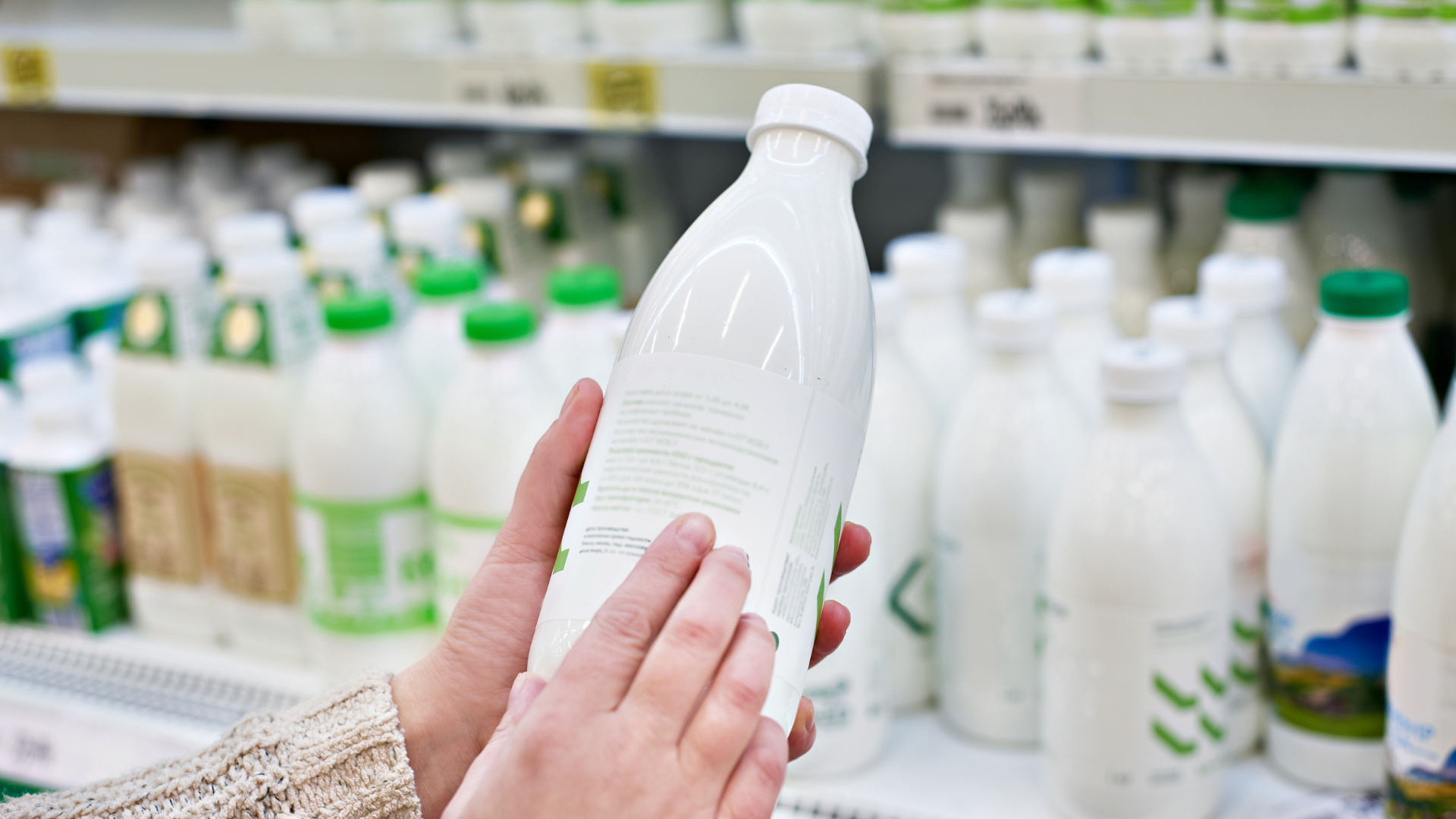
Many consumers are discovering that store brands now offer comparable quality at significantly lower prices. Others are choosing niche brands that provide greater transparency, stronger sustainability credentials, or more personalized products.
The result is a marketplace where consumers feel increasingly comfortable exploring alternatives.

How Private Label Is Benefiting
Few sectors have benefited more from this shift than private label.
Retailers have invested heavily in improving product quality, packaging, and innovation, helping private label products move beyond their traditional reputation as budget alternatives. In many categories, consumers now view private label products as equal to, or even better than, established brands.
From food and beverage to beauty, household goods, and health products, private label sales continue to grow as consumers prioritise value without sacrificing quality.
For retailers, this presents a significant opportunity. Private label products often offer stronger margins while giving businesses greater control over pricing, branding, and customer relationships.
What Retailers Need to Do
As loyalty becomes harder to earn, retailers must focus on delivering value at every stage of the customer journey.
Pricing remains important, but it is only one piece of the puzzle. Fast delivery, excellent customer service, seamless online experiences, and clear product information all contribute to how consumers perceive value.
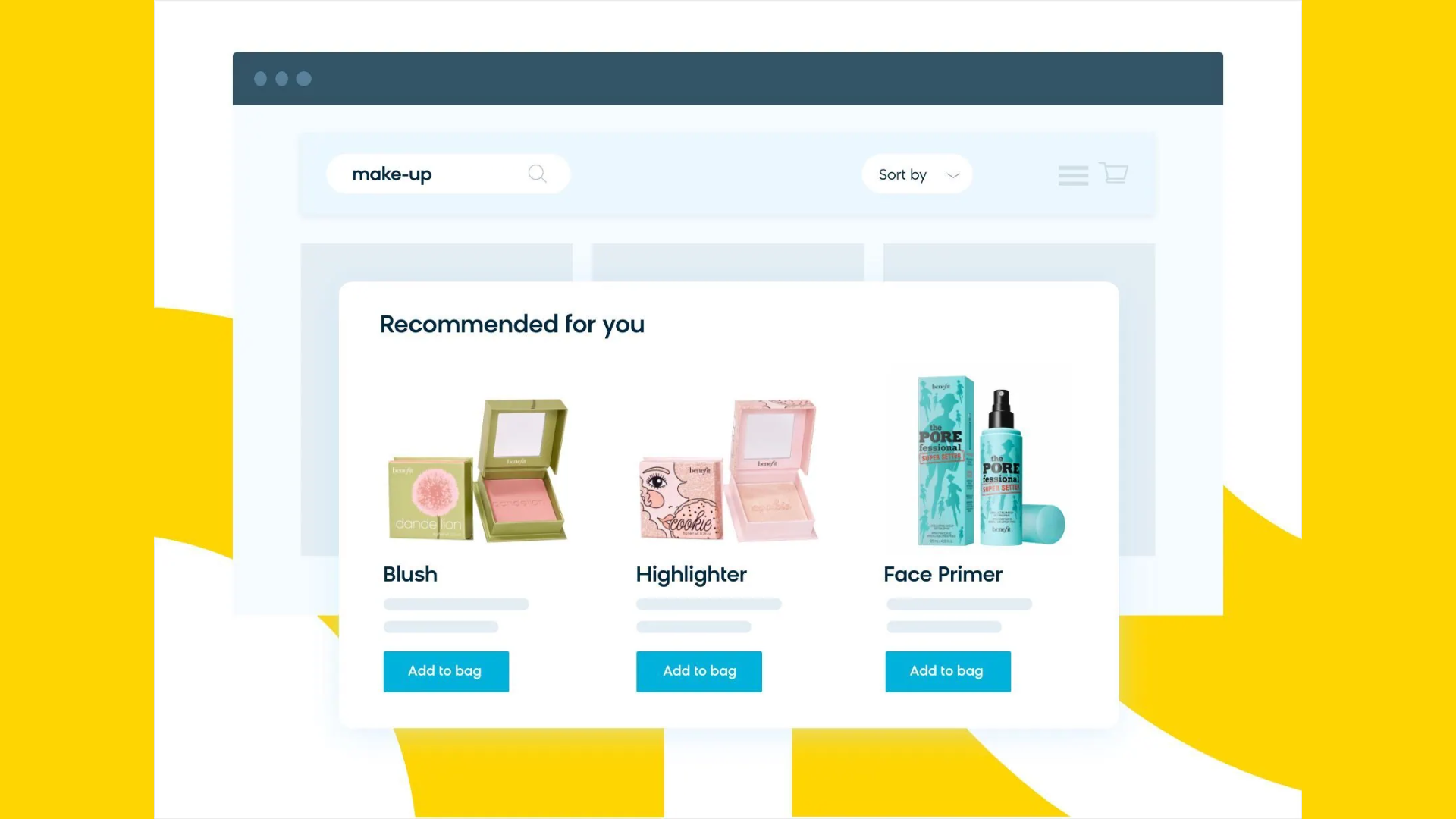
Personalization is becoming increasingly important too. Customers expect brands to understand their preferences and provide relevant recommendations, offers, and experiences. Retailers that use customer data effectively can create stronger relationships and increase repeat purchases even in a highly competitive market.
Trust also plays a critical role. Consumers are more likely to remain loyal to brands that are transparent, reliable, and consistent in delivering on their promises.
Why Value Will Continue to Drive Retail Growth
The shift away from traditional brand loyalty is not a temporary trend. It reflects a fundamental change in how consumers make purchasing decisions.
As shoppers gain access to more information and more choices, retailers must compete on overall value rather than reputation alone. Businesses that successfully combine quality, affordability, convenience, and customer experience will be best positioned to win market share in the years ahead.
For retailers, suppliers, and manufacturers, staying ahead of these changing consumer expectations requires constant innovation and access to the latest industry insights.
That is exactly why events like the White & Private Label Expo New York are so valuable. The show brings together leading retailers, manufacturers, and solution providers who are shaping the future of consumer products. Attendees can discover emerging trends, explore new private label opportunities, and gain the knowledge needed to succeed in an increasingly value-driven retail landscape.
Click here for your FREE ticket now and be part of the event where the future of private label and retail comes to life. See you this September!